



- Nelson Mandela University expands ocean research to put coastal communities at the centre of decisions
- Research led by Professor Rose Boswell examines how cultural heritage and community knowledge can inform ocean management, climate adaptation and sustainable tourism.
Nelson Mandela University is expanding its Ocean Cultures and Heritage research programme into North Africa, the southern Mediterranean and Brazil, bringing coastal communities’ knowledge into a wider examination of how oceans are understood and managed.
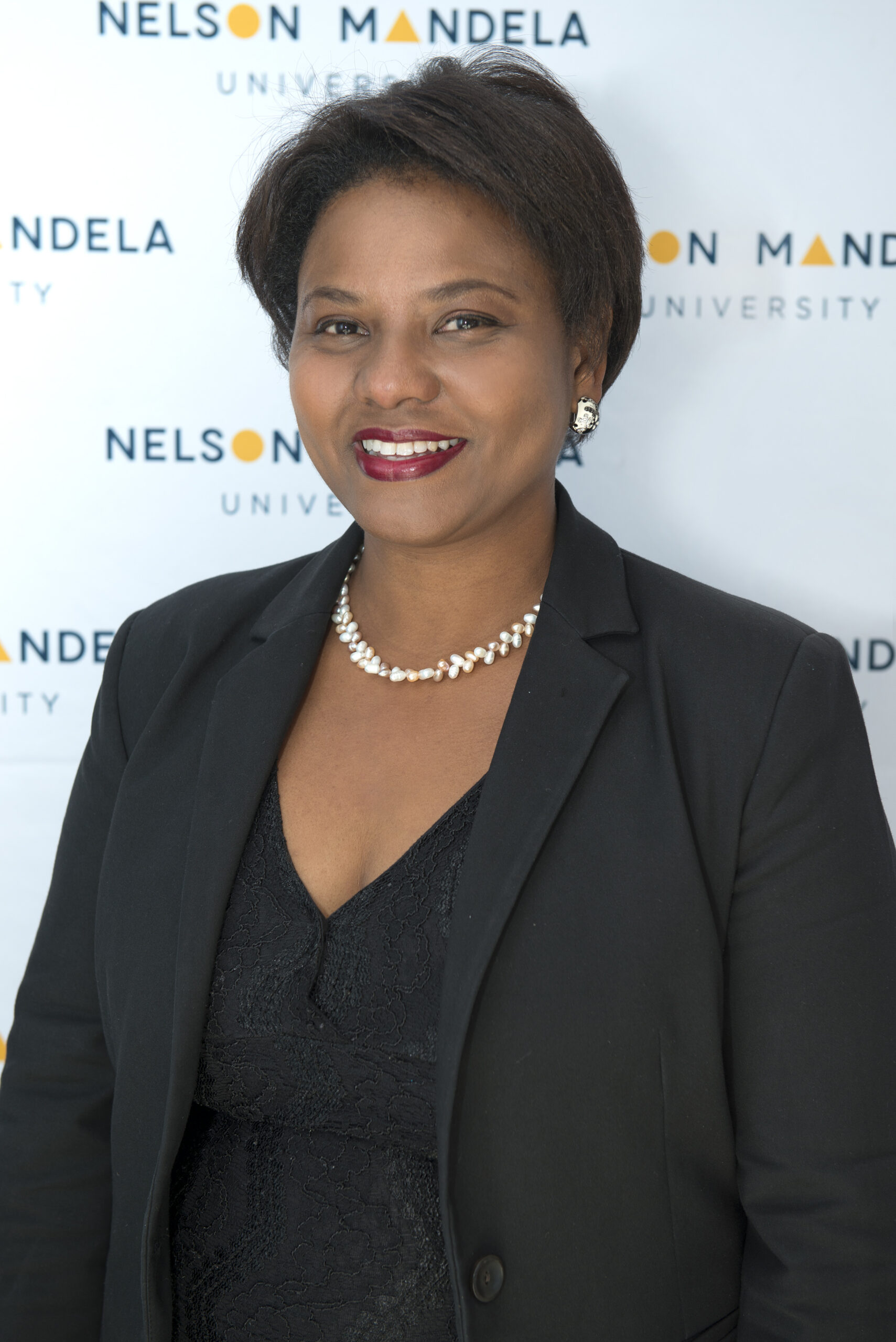
Led by Professor Rose Boswell, the university’s South African Research Chair in Ocean Cultures and Heritage is entering its second five-year term. The next phase builds on fieldwork across Africa and addresses a question with practical implications for coastal development: how can decisions about the sea better reflect the people whose lives, livelihoods and heritage are connected to it?
Why people and heritage matter to ocean protection
Ocean management involves more than understanding marine ecosystems or assessing the economic potential of a coastline. Decisions about development, conservation and access to resources also affect places where people work, practise cultural traditions and maintain spiritual relationships with the sea.
Research into these relationships helps reveal consequences that may otherwise receive little attention. A coastal space can have significance that is not captured by its commercial value or environmental classification. Understanding that significance gives decision-makers a fuller picture of what is at stake.
In Legislating marine intangible cultural heritage in South Africa, Boswell argues that cultural practices and spiritual relationships with the sea receive insufficient protection. Her work identifies instances of exclusion from coastal management and connects these to South Africa’s history of dispossession.
This places cultural heritage within the discussion about an inclusive ocean economy. Recognising community knowledge can help inform whose interests are represented, how access is considered and what should be protected as coastlines change.
Understanding coastal pressures and whose voices are heard
The chair’s research agenda examines the role of First Peoples and potentially vulnerable communities, particularly women and African descendants, in ocean sustainability. It seeks to bring knowledge that has received insufficient attention into policy discussions, cultural education and approaches to coastal resources.
Climate adaptation adds another dimension to this work. Understanding how people experience their coastlines, use resources and respond to change can help frame adaptation around local circumstances. Scientific assessments remain essential, while cultural and social research can explain how proposed responses may affect the people expected to live with them.
Gender and inequality are relevant to that understanding. Communities contain different experiences and interests, making it important to examine whose knowledge is recognised and whose participation may be constrained. The programme provides a basis for investigating these differences rather than treating coastal communities as a single voice.
How NMU research connects knowledge with practical priorities
The programme’s first five years included anthropological fieldwork in South Africa, Namibia, Tanzania, Kenya and Seychelles. A researcher who recently completed her doctorate undertook additional fieldwork in Mozambique, extending the university’s cross-border knowledge base.
The next phase includes Morocco, Tunisia and southern France, alongside work in Brazil, while South Africa remains part of the programme. This expansion builds on Boswell’s longstanding Western Indian Ocean research, which began with doctoral work in Mauritius and developed through research in Tanzania, Madagascar and Seychelles.
Comparative research creates opportunities to examine how different coastal histories and circumstances shape people’s relationships with the sea. Its value lies in understanding both shared challenges and the differences that require locally appropriate responses.
Partnerships also connect the research to development priorities. The university-documented project Cultural Heritage for Coastal Tourism and Climate Action in the Indian Ocean Regionbrings together coastal communities in South Africa, Kenya and Seychelles. Activities include fieldwork, policy engagement and audiovisual documentation, alongside the development of cultural-ecological tourism initiatives focused on small-scale livelihoods and climate resilience.
The project is funded by the National Research Foundation through the South African Indian Ocean Rim Association Group programme and hosted by the South African Environmental Observation Network. A dedicated funding mechanism between the network and Mandela University supports implementation and knowledge exchange.
International support has contributed to the wider research. Boswell’s 2022 Salted Identities paper acknowledges funding from the UK Research and Innovation Global Challenges Research Fund through the One Ocean Hub, alongside South African research funding. This provides a concrete example of international resources supporting research into South African coastal cultural heritage.
Making the work accessible is another priority. Boswell’s team has produced approximately six documentary films, while her own outputs include poetry exploring human relationships with the sea. Alongside academic publications, these offer ways to communicate the experiences documented through fieldwork to wider audiences.
The contribution of postgraduate study
The programme illustrates how postgraduate research can connect cultural heritage with questions about conservation, livelihoods and governance. Doctoral fieldwork in Mozambique demonstrates how an individual researcher can contribute detailed local knowledge to a broader African programme.
Relevant lines of enquiry include how cultural knowledge is recognised in coastal decisions, how different groups experience access to resources, and how heritage can inform tourism and adaptation. Investigating these questions calls for careful fieldwork, an understanding of local contexts and the ability to connect community perspectives with wider policy debates.
As the programme expands, Nelson Mandela University is strengthening an African contribution to ocean research that considers the people connected to coastal environments. The importance of that work lies in helping decisions account for what communities know, value and stand to lose as their coastlines change.
Learn more about the university’s Natural Resource Science and Management Cluster, dedicated to fostering a deep understanding of the environment and empowering the next generation of leaders in sustainability and conservation: https://snrm.mandela.ac.za/
